
Whoa!
I installed Phantom last week after a dozen recommendations, and something felt off at first. Seriously? The onboarding was smooth, almost suspiciously so, but my instinct said to slow down. Initially I thought it was just another browser wallet, but then I started poking under the hood and noticed design choices that actually reduce friction for Solana users. On one hand the UI is clean and friendly, though actually there are deeper trade-offs around permission granularity that deserve attention.
Wow!
The extension connects quickly. It signs transactions fast. But speed isn’t everything—security posture matters more, and I cared enough to dive in. I ran through the seed phrase flow, snapshotted the UX, and replayed typical developer interactions to see how Phantom behaves during dApp handshakes. My gut said this felt developer-minded, not just consumer-flavored; there’s sensible defaults for network selection that save you from dumb mistakes.
Whoa!
Here’s the thing. Wallets can be pretty confusing, and Phantom tries to hide that complexity with a simple surface. That matters because a lot of users want to click and go, they want somethin’ that “just works” without wrestling with RPC endpoints. On the flip side, power users sometimes want more knobs, and Phantom gives those knobs tucked away—so the trade-off is mostly elegant. Actually, wait—let me rephrase that: it’s a smart compromise, but you should know what you trade for simplicity.
Hmm…
Check this out—if you want to grab the extension, use this phantom wallet download extension for a direct route that saved me a Google deep-dive. I mention that because many folks end up on shady mirrors; that part bugs me. I’m biased, but I prefer installing through a clear source, and that link streamlined my process without extra fuss. A quick note: always verify the extension’s publisher and read recent reviews before installing, because extensions can get hijacked or cloned.
Wow!
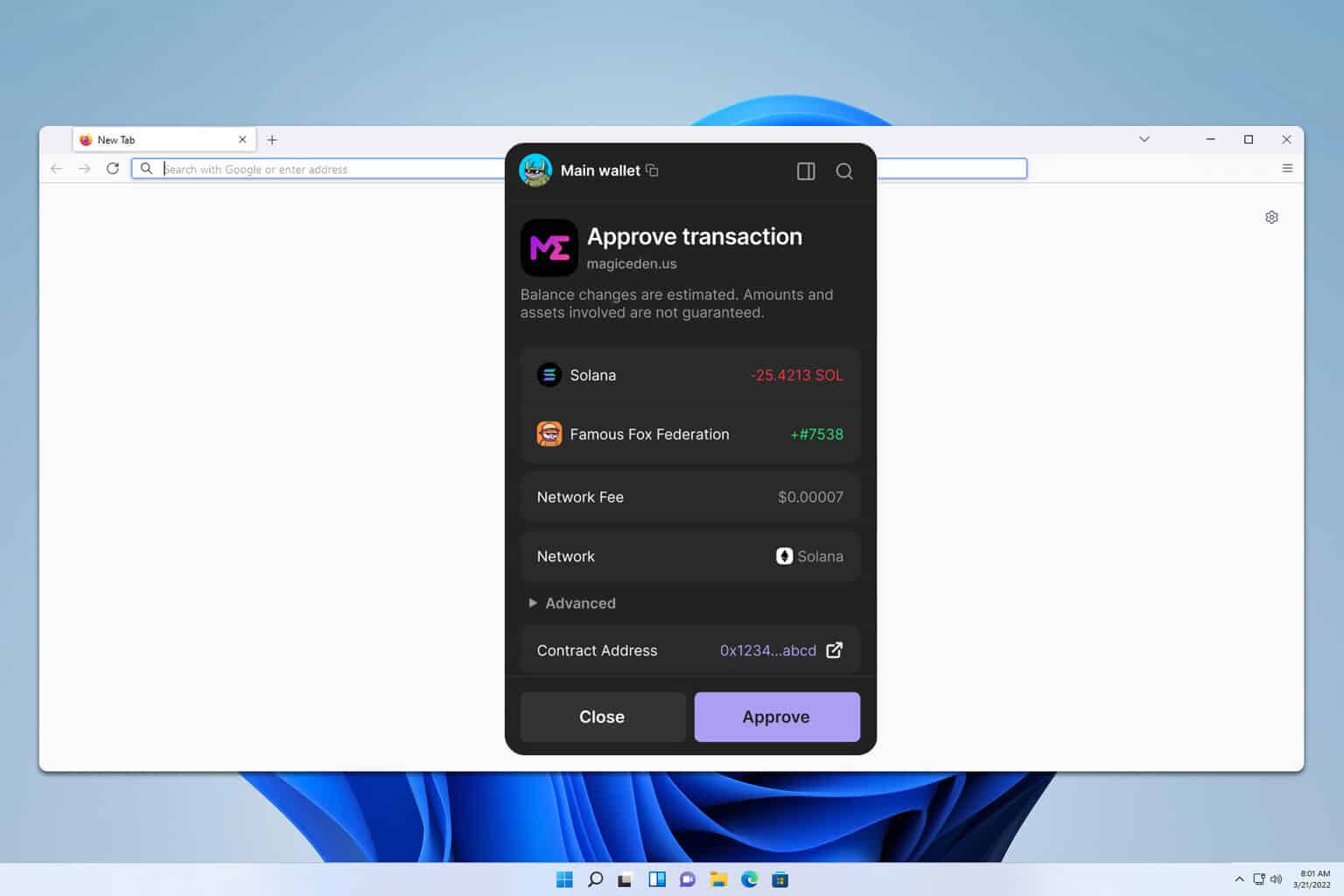
On the security front Phantom stores keys locally and uses the usual seed phrase backup, but there are nuances. For example, the way it manages approvals for transaction signing is less noisy than some wallets, which reduces accidental approves—but quieter UX can hide risk. Initially I thought fewer popups meant better security, but then I realized that reducing prompt fatigue must be balanced with visibility of what you’re signing. So I started watching signature payloads more closely and developed a small habit of double-checking dApp requests.
Whoa!
Speaking of dApps, the developer experience is pretty solid. Phantom exposes straightforward APIs and handles wallet adapter flows well, which matters if you build on Solana. I tried a couple of NFT marketplaces and a few DeFi dashboards; the extension recovered gracefully from network blips and reconnected when needed. That said, some advanced program interactions surface cryptic errors, so expect occasional debugging and context-switching back to a block explorer to confirm on-chain state.
Hmm…
Something else surprised me—wallet customization. It’s not flashy, but there are subtle playlist-like settings for tokens and NFTs that make day-to-day use smoother. I organized tokens, hid dust balances, and set a preferred network without digging too deep, which saved me time. On the other hand, if you’re the kind of person who loves deep exports and granular logs, you might find the default telemetry and reporting options a little scant, though there are extensions and dev tools that fill those gaps.
Whoa!
Practical tips—do these before you get started. First, seed phrase security: write it down on paper, store it in a safe, and never paste it into web forms; this is very very important. Second, set a strong extension password and consider hardware wallet pairing for cold storage of large holdings. Third, test with tiny transactions first so you learn typical dApp flows without risking something meaningful; that habit saved me from a couple of avoidable mistakes.
Wow!
On performance and resource use, Phantom is lightweight compared to some multi-chain giants and it felt snappy on my MacBook. Browser memory use was reasonable, though keep in mind that open tabs and aggressive dApps can inflate CPU and RAM. I noticed occasional delays when many pending transactions queued up, which is more a Solana cluster behavior than a wallet flaw, but it affects the user’s perceived reliability. My instinct said this was a network-time issue, and analytics confirmed spikes during market events.
Whoa!
Cost considerations: Phantom itself is free, but gas and fees on Solana exist even if they’re small; those micro-fees add up for frequent traders or collectors. If you interact with on-chain programs often, consider batching actions or consolidating operations to save on cumulative fees. On one hand fees are negligible for casual use, though actually for heavy workflows you want to track cumulative costs and evaluate whether automation helps.
Hmm…
Now for the parts that annoyed me. The notification model can be subtle, so you might miss an approval waiting in a minimized window. Also, cross-device sync is limited by design for security reasons, which is fine—but it means you can’t easily recover a session without the seed phrase. I’m not 100% sure how I feel about the balance, but for me privacy and control outweigh the small inconvenience of manual recovery.
Final thoughts and a quick workflow
Okay, so check this out—my current daily workflow is simple. Open browser, connect Phantom, confirm pending notifications, and use a small hot wallet for quick trades while the bulk stays hardware-cold. I’m comfortable recommending Phantom to new Solana explorers who value UX and speed, though advanced traders should layer in hardware security or multi-sig for larger positions. Something I learned the hard way: habit matters more than tech; consistent checks prevent most issues.
FAQ
Is Phantom safe for beginners?
Yes for basic use, but treat any browser wallet as a convenience layer; secure your seed phrase offline and consider hardware wallets for significant funds. Practice with small amounts first.
Can I use Phantom across devices?
Not directly—Phantom prioritizes local key storage, so you restore on another device using your seed phrase and backup. That choice increases security but reduces seamless cross-device sync.
Where can I download Phantom?
For a straightforward download route, try the phantom wallet download extension, and always verify the publisher and reviews before installing.